As counterfeit products become increasingly sophisticated, businesses need packaging solutions that combine visual appeal with reliable product verification. Kalefu provides a QR Code Hologram Sticker solution that integrates holographic security features with convenient QR code scanning, helping brands strengthen anti-counterfeiting efforts while improving the consumer experience. Designed for high-value products and security-conscious packaging applications, this solution connects physical product identification with digital verification opportunities.
A QR code hologram sticker combines the distinctive visual effects of holographic technology with the practical functionality of a scannable QR code. It can help businesses improve product identification, support authenticity verification, enhance packaging presentation, and connect customers with online product information. This article explains how these labels work, their major benefits, common applications, customization considerations, and the factors businesses should evaluate when selecting a supplier such as Kalefu.
What Is a QR Code Hologram Sticker?
How Does a QR Code Hologram Sticker Work?
QR Code Hologram Stickers vs. Conventional Labels
How to Choose the Right Sticker
Implementation and Quality Considerations
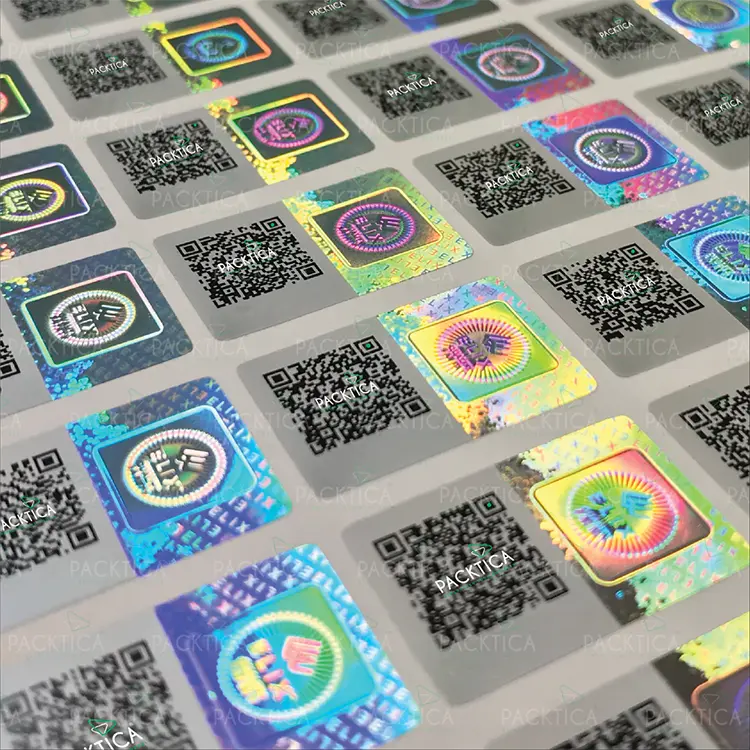
A QR Code Hologram Sticker is a specialized label that combines a two-dimensional QR code with a holographic visual effect. Unlike an ordinary printed label, its reflective, light-responsive appearance creates a distinctive presentation that can make unauthorized imitation more difficult when appropriate security design features are incorporated.
The QR code provides a digital connection between the physical product and online information. Depending on the implementation, scanning the code may direct customers to a product authentication page, manufacturer information, usage instructions, warranty registration, or other authorized digital resources.
The holographic component adds another layer of visual identification. Customized patterns, brand graphics, and other security-oriented design elements can help distinguish genuine packaging from unauthorized copies. For stronger protection, businesses can combine these physical features with unique codes, verification records, and controlled digital access.
Kalefu's QR Code Hologram Sticker is positioned as an anti-counterfeiting solution for high-value products, bringing together visual appeal and convenient QR code scanning.
The effectiveness of a QR code hologram label depends on how its visual security features and digital verification system are designed to work together. A typical implementation involves the following elements:
Not every QR code hologram sticker automatically includes a unique identity or an authentication database. These capabilities depend on the chosen design and supporting technology. Businesses should confirm whether they require a basic scannable label, a serialized security label, or a fully integrated digital authentication solution.
For additional protection, companies can explore complementary anti-counterfeiting packaging and digital identification solutions that align with their operational requirements.
Holographic effects and customized label designs introduce visual characteristics that counterfeiters must reproduce to imitate the original packaging convincingly. When these features are combined with unique QR codes and online verification, businesses can create a more comprehensive product protection strategy.
Although no individual label can guarantee complete protection against counterfeiting, combining physical and digital security measures can make unauthorized reproduction more challenging and help identify suspicious products.
QR codes allow consumers to access relevant product information using a smartphone. When connected to a suitable verification platform, they can provide an accessible way to check authenticity without requiring specialized scanning equipment.
For brands selling through distributors, retailers, and e-commerce channels, this convenience can help improve the transparency of the purchasing experience.
Holographic labels offer a reflective finish that can complement premium packaging. Their distinctive appearance may help products stand out on retail shelves while reinforcing a brand's attention to detail.
Businesses can coordinate label designs with existing packaging graphics, logos, and visual identity guidelines to achieve a more consistent presentation.
A QR code can connect physical packaging with digital services beyond authentication. Depending on the business strategy, the destination may provide product instructions, warranty information, after-sales support, or promotional content.
This approach helps turn a security label into a useful communication channel throughout the customer journey.
QR code hologram stickers can be considered for different product categories and packaging formats. Their suitability depends on the application surface, adhesive requirements, label dimensions, scanning conditions, and the selected security features.
Businesses that need stronger product identification or a more distinctive packaging presentation may benefit from incorporating holographic QR labels into their packaging strategies.
The final configuration should reflect the product's risk profile, distribution environment, packaging material, and customer verification needs. For example, a high-value product distributed internationally may require more sophisticated authentication controls than a product that only needs a scannable information label.
Conventional labels remain suitable for many identification and packaging applications. However, a QR code hologram sticker can offer additional visual differentiation and a digital connection when these features are relevant to the product protection strategy.
| Comparison Factor | Conventional Label | QR Code Hologram Sticker |
|---|---|---|
| Visual appearance | Typically relies on standard printed graphics | Can incorporate distinctive holographic effects |
| Digital interaction | Depends on whether a scannable code is included | Can provide QR-based access to online resources |
| Anti-counterfeiting support | Depends on the label design and security features | Can combine visual security features with digital verification |
| Product information | Usually limited by available printing space | Can link users to additional online information |
| Packaging presentation | Suitable for a wide range of standard applications | Can add a distinctive finish to premium packaging |
| Customization | Depends on printing and material options | Can be designed around branding and security requirements |
The most appropriate choice depends on the intended use. A holographic QR label is particularly worth considering when a business wants both a distinctive physical label and a convenient digital connection. Its additional value should be assessed against implementation costs, security objectives, and production requirements.
Selecting a suitable label involves more than choosing an attractive holographic effect. Buyers should evaluate how the label will perform throughout manufacturing, distribution, storage, and customer use.
Determine whether the project requires a visible holographic feature, a scannable QR code, unique product identification, or an integrated authentication process. These options provide different levels of functionality and should be specified clearly before production.
Code dimensions, contrast, printing quality, surrounding graphics, and the label's surface finish can influence scanning performance. Request samples and test them with common smartphone cameras under realistic lighting conditions before approving a production run.
The application surface determines which materials and adhesives may be appropriate. Glass bottles, coated cartons, plastic containers, and curved packaging can present different adhesion challenges. Confirm resistance requirements relating to moisture, handling, temperature, and storage conditions where applicable.
Discuss label dimensions, holographic patterns, logo integration, QR code placement, colors, and packaging compatibility with the supplier. If individual product tracking is required, also establish how codes will be generated, managed, and verified.
A qualified supplier should be able to understand the intended application, explain relevant customization options, and clarify the limitations of the proposed solution. Ask for product samples, production specifications, inspection procedures, and confirmation of any digital services included in the project.
A well-planned implementation helps ensure that QR code hologram stickers deliver the intended security, usability, and presentation benefits.
Businesses should also consider digital security. A QR code alone does not prove authenticity, and a copied code may be scanned from a counterfeit product. Unique identifiers, secure verification pages, duplicate-scan detection, and clear consumer instructions can strengthen the overall solution when supported by the chosen system.
For packaging projects involving multiple security requirements, an integrated approach that combines physical label design with appropriate digital verification processes is generally more useful than relying on a single feature.
Its main purpose is to combine holographic visual identification with QR code functionality. This combination can support anti-counterfeiting efforts, provide access to product information, and improve packaging presentation.
No. A holographic label can provide an additional security feature, but it cannot guarantee authenticity on its own. More reliable verification may require unique codes, a secure authentication platform, and controls for detecting duplicated identifiers.
Customization may include label dimensions, holographic patterns, brand graphics, and QR code integration. Available options depend on the supplier's production capabilities and the requirements of the project. Confirm specifications before placing an order.
In most cases, a smartphone with a compatible camera or QR scanning application is sufficient. The scanning experience also depends on code quality, lighting, and the website or platform connected to the code.
Potential applications include luxury goods, cosmetics, alcoholic beverages, electronics, and other products that benefit from enhanced identification or distinctive packaging. The right design depends on the product, packaging material, and security requirements.
Buyers should confirm dimensions, materials, adhesive compatibility, holographic design options, QR code readability, order quantities, quality inspection requirements, and delivery arrangements. If digital authentication is required, they should also clarify whether the supplier provides the necessary software or verification services.
Kalefu offers a QR Code Hologram Sticker solution intended to combine anti-counterfeiting support with visual appeal and convenient scanning. Buyers can discuss their specific packaging applications and security objectives with the company to determine an appropriate configuration.
A QR Code Hologram Sticker can help businesses combine distinctive packaging design, convenient digital access, and additional anti-counterfeiting measures in one label. When supported by appropriate material selection, reliable printing, clear verification workflows, and consistent quality checks, it can contribute to a more trustworthy product experience. For brands seeking to improve packaging security without overlooking appearance and usability, evaluating a customized solution is a practical next step. Kalefu can help businesses explore suitable options based on their product types, branding objectives, and packaging requirements. Visit the QR Code Hologram Sticker product page to learn more, discuss your customization needs, and contact us for a tailored packaging solution that supports your brand protection goals.