In today's competitive packaging market, product presentation plays a critical role in attracting customers and communicating brand value. KLF provides high-quality Transparent Sticker Labels designed to create a clean, modern, and professional appearance while allowing the original packaging or product surface to remain visible. Widely used in cosmetics, beverages, electronics, and other consumer goods, transparent labels combine practical identification with attractive visual presentation, helping manufacturers achieve a distinctive packaging style without covering the entire container.
Transparent sticker labels are an effective packaging solution for brands seeking a minimalist appearance, product visibility, and flexible customization. By using clear label materials, suitable adhesives, and professional printing techniques, businesses can create packaging that integrates naturally with bottles, jars, boxes, and electronic products. This article explores their main characteristics, material options, printing considerations, industry applications, quality requirements, and purchasing recommendations to help businesses select the right transparent labeling solution.
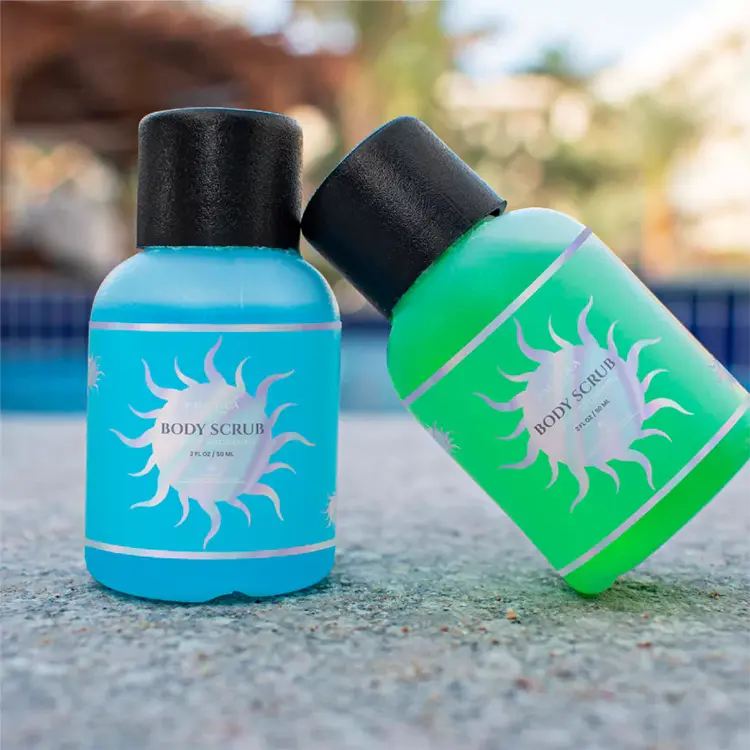
Transparent sticker labels are self-adhesive labels manufactured using clear film materials that allow the underlying surface to remain visible after application. Unlike traditional paper labels or opaque stickers, they provide a visually integrated appearance, making the printed information appear as though it is directly applied to the product.
These labels are particularly suitable for packaging that emphasizes product visibility, premium presentation, and contemporary brand aesthetics. When correctly designed and applied, the transparent background blends with glass, plastic, metal, and other compatible surfaces.
At KLF, transparent labels are developed for different product packaging requirements, including cosmetics, beverages, and electronic products. Customization options allow businesses to select suitable dimensions, printing designs, and label configurations according to their applications.
Common characteristics include:
Choosing the right label is not simply about displaying a company logo or product information. Packaging labels influence purchasing decisions, communicate brand positioning, and contribute to the overall customer experience. Transparent sticker labels offer several advantages for businesses looking to improve packaging presentation.
One of the biggest advantages of transparent labels is their ability to minimize visual obstruction. Instead of introducing a large opaque background, the clear material allows the original container to remain part of the overall design.
This approach is especially effective for premium skincare products, transparent beverage bottles, and high-end personal care packaging. The result is a balanced presentation that highlights both the product and its branding.
For products packaged in transparent containers, clear labels help maintain visibility of the contents. This can be important for beverages, liquid cosmetics, and other products where appearance is part of the buying experience.
Transparent materials provide a flexible foundation for different graphic styles. Businesses can combine logos, product names, instructions, and decorative elements to create distinctive packaging designs.
Transparent labels can be developed for different container shapes and product categories. With appropriate material and adhesive selection, they can be used on glass bottles, plastic containers, packaging boxes, and compatible electronic surfaces.
| Feature | Business Benefit | Typical Application |
|---|---|---|
| Transparent background | Maintains product visibility | Beverage bottles |
| Custom printing | Supports brand recognition | Cosmetic packaging |
| Self-adhesive design | Simplifies label application | Retail containers |
| Flexible shapes and sizes | Matches different packaging designs | Electronic products |
| Minimalist presentation | Creates a modern visual identity | Premium consumer goods |
Material selection directly affects label transparency, flexibility, durability, print quality, and application performance. Therefore, manufacturers should evaluate the product environment and packaging surface before choosing a specific construction.
Clear PET (polyethylene terephthalate) film is commonly considered for applications requiring dimensional stability and a professional transparent appearance. It offers good clarity and resistance to handling, making it suitable for many cosmetic, beverage, and electronic packaging applications.
Clear PVC (polyvinyl chloride) film is a flexible material that can accommodate certain curved or irregular packaging surfaces. Its suitability depends on the required flexibility, environmental conditions, and product specifications.
The adhesive is equally important because it determines how effectively a label attaches to the target surface. Different packaging materials and operating conditions may require different adhesive formulations.
Before mass production, businesses should verify compatibility between the adhesive and the actual packaging surface, particularly when applying labels to curved, textured, cold, or moisture-exposed containers.
Printing quality determines how effectively a transparent label communicates product information and brand identity. Since clear materials do not provide an opaque white background, artwork preparation and color selection require additional attention.
Full-color printing enables businesses to reproduce logos, product graphics, brand colors, and other visual elements. The selected printing method should be compatible with the film material and the desired production volume.
White ink is particularly useful for transparent labels because it can improve the visibility of selected design elements. For example, printing a white base beneath colored graphics can prevent the background color of a container from significantly affecting the printed appearance.
Different products require different label dimensions. Common design configurations include:
Depending on the product design, additional finishing options may be considered to improve the overall appearance. These can include gloss or matte effects and selected decorative treatments, subject to material compatibility and manufacturing capabilities.
When preparing artwork, businesses should pay attention to transparent areas, white ink layers, text readability, and color contrast. A production-ready proof can help identify potential design problems before large-scale manufacturing.
The versatility of transparent labels makes them suitable for numerous commercial applications. Their ability to preserve the original packaging appearance is particularly valuable for brands that want product visibility without sacrificing clear brand identification.
Skincare bottles, shampoo containers, lotion dispensers, perfume packaging, and cosmetic jars frequently use transparent labels to achieve a sophisticated presentation. Clear materials can complement glass and plastic containers while keeping essential branding information visible.
Transparent beverage bottles, juice containers, and selected food packaging products can benefit from clear labeling. The label allows customers to see the product while providing space for branding and required product information.
For food-related applications, buyers should confirm that the selected materials and adhesive meet the applicable packaging and regulatory requirements for the intended use.
Electronic equipment often requires compact identification labels, model information, logos, and product instructions. Transparent stickers can provide a neat appearance when applied to compatible housings and smooth surfaces.
Cleaning products, personal accessories, storage containers, and other consumer goods can also use transparent labels to maintain consistent packaging aesthetics across different product lines.
| Industry | Typical Products | Primary Labeling Purpose |
|---|---|---|
| Cosmetics | Serum bottles, lotion jars, perfume containers | Premium branding and product identification |
| Beverages | Water bottles, juice containers | Product visibility and brand presentation |
| Electronics | Electronic housings, accessories | Identification and visual integration |
| Household goods | Cleaning bottles, storage products | Packaging information and branding |
| Personal care | Shampoo and body wash bottles | Consistent product-line presentation |
Selecting transparent sticker labels requires more than comparing prices. Buyers should consider the packaging material, product environment, printing requirements, and expected service life to ensure that the finished labels perform reliably.
Determine whether the label will be applied to glass, PET plastic, PP plastic, metal, or another surface. Different materials have different surface energies and adhesive compatibility requirements.
Consider whether the packaged product will be exposed to moisture, temperature changes, friction, sunlight, or frequent handling. These conditions may influence the selection of film and adhesive.
Prepare the artwork based on the final packaging dimensions. Pay particular attention to small text, barcode readability, white ink requirements, and the visibility of colored graphics against different backgrounds.
Sample testing is an important step in reducing procurement risks. Buyers should apply sample labels to actual containers and evaluate their appearance and adhesion under realistic conditions.
Before confirming an order, consider the following checklist:
Consistent quality is essential for transparent sticker labels, especially when they are used in commercial packaging lines. Even minor defects can affect product presentation or cause difficulties during automated application.
Professional manufacturing evaluation should cover several important areas.
The film should maintain consistent thickness, clarity, and surface quality. Uneven materials may affect printing results, die-cutting precision, and application performance.
Printed graphics should match the approved artwork in terms of color, positioning, and detail. Particular attention should be paid to white ink coverage and registration accuracy.
Accurate cutting helps ensure consistent label dimensions and clean edges. Poor cutting quality can interfere with peeling and automated dispensing.
Labels should be tested on the actual target packaging to evaluate initial tack, bonding performance, edge lifting, and resistance to expected handling conditions.
Proper roll winding, protective packaging, and storage conditions help prevent contamination, deformation, and unnecessary damage during transportation.
For B2B buyers, communicating these requirements with the manufacturer before production can improve order consistency and reduce the risk of rework.
Transparent sticker labels are widely used for cosmetics, beverage bottles, electronic products, household goods, and personal care packaging. They provide product identification and branding while allowing the underlying surface to remain visible.
Clear PET and PVC films are common options. PET is often selected for its dimensional stability and clarity, while PVC can provide flexibility for certain packaging applications. The best material depends on the product and working environment.
Yes. Transparent labels can support customized color printing. White ink can also be incorporated into the design to improve opacity and color visibility where needed.
They can be suitable for curved bottles when the film flexibility, label dimensions, and adhesive properties are appropriately selected. Testing on the actual container is recommended before mass production.
Yes. Customization can include rectangular, circular, oval, wraparound, and special die-cut shapes. Dimensions and artwork can be developed according to specific packaging requirements.
Make sure the application surface is clean, dry, and free from dust or oil. Apply the label evenly using suitable pressure and application equipment. Correct label dimensions and compatible adhesive materials also help reduce bubble formation.
Water resistance depends on the selected film, adhesive, printing system, and overall label construction. Some configurations are suitable for moisture-exposed applications, but buyers should request performance testing for their specific conditions.
To receive an accurate quotation, provide the required label dimensions, material preference, order quantity, printing artwork, adhesive requirements, application surface, and expected delivery specifications. Sample requirements should also be communicated in advance.
Transparent sticker labels offer an effective combination of product visibility, professional presentation, and flexible branding. From cosmetics and beverages to electronics and household products, they help businesses create packaging that communicates product information while maintaining a clean and modern appearance. Selecting the right film, adhesive, printing method, and manufacturing specifications is essential to achieving consistent results. As an experienced packaging materials supplier, KLF focuses on customized transparent labeling solutions designed around different product and application requirements. If you are looking for reliable, professionally customized Transparent Sticker Labels for your next packaging project, contact us today to discuss your specifications, request product details, and explore a suitable solution for your business.